Service Overview
What to Expect From Water Mitigation Services
Water mitigation begins with a prompt, professional response to stop water intrusion, assess damage and apply structural drying. Each step is clearly communicated to stabilize your property, prevent mold and prepare for property restoration.
  • Damage Assessment and Inspection: Licensed professionals identify the source of water intrusion, classify contamination levels and evaluate the extent of damage to define the mitigation scope.
  • Water Extraction and Removal: Commercial-grade equipment removes standing water from surfaces and structural components to limit further material deterioration.
  • Structural Drying and Dehumidification: Professional drying systems remove embedded moisture from building materials and indoor air to prevent mold growth and structural degradation.
  • Cleaning and Sanitizing: Affected areas are treated using professional antimicrobial applications, particularly in gray and black water conditions.
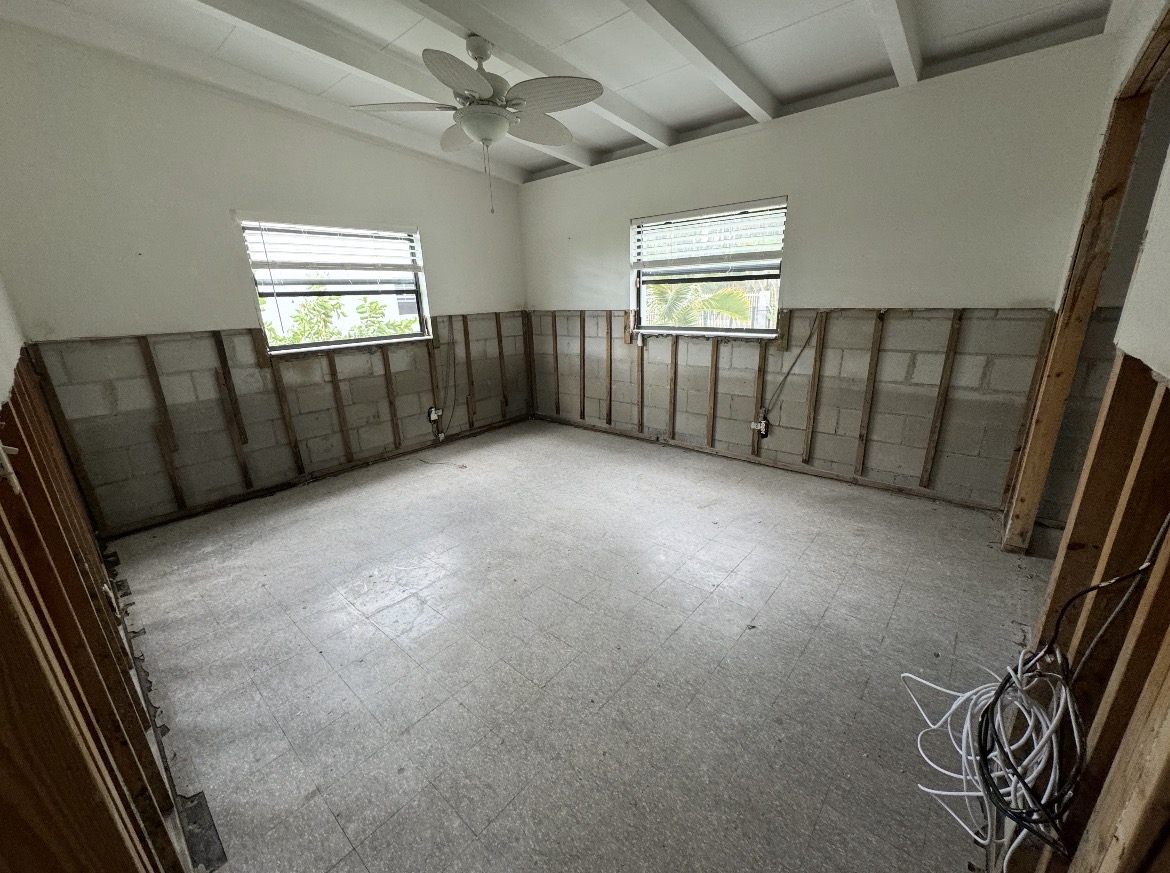
  • Selective Material Removal: Non-salvageable materials, including drywall, insulation and flooring components, are removed to eliminate retained moisture and contamination.
  • Moisture Monitoring: Moisture levels are verified using calibrated meters and thermal imaging to confirm that structural materials have returned to acceptable drying standards.
GettyImages-2227524005 (2)
Contact Us When You’re in These Situations

When Do You Need Professional Water Mitigation Services?

Certain water issues require more than a simple cleanup. When intrusion spreads or materials remain saturated, expert water mitigation services provide the proper solution to control water damage.

Severe and Salt Water Intrusion

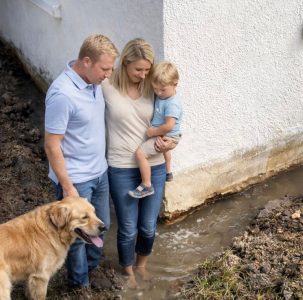
When water affects multiple areas of the home, including coastal salt water exposure, professional water mitigation services are required to extract water, dry structural materials and prevent corrosion and mold growth.
Contaminated Water (Sewage)

In cases of sewage backups or heavy flooding, water mitigation services include safe extraction, removal of hazardous contaminants and sanitation to support proper mold removal and protect occupant health.

Burst or Leaking Pipes

High-volume leaks from plumbing failures, including broken water heaters or supply lines, require immediate water mitigation to stop active water flow, remove excess moisture and minimize the risk of mold and material deterioration.

Roof and Structural Leaks

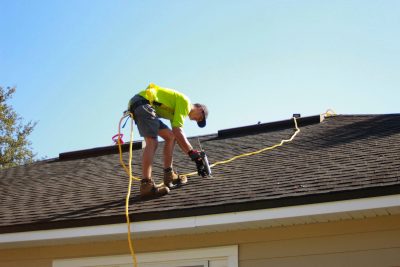
Water intrusion through roofing systems or building envelopes, especially during Florida storms, can compromise insulation, ceilings and framing, requiring water mitigation and, in some cases, follow-up flood damage restoration.
Our Process
How We Restore Your Property With Water Mitigation Services
  • 1
    Inspection and Assessment
    Our licensed professionals assess water intrusion, classify contamination levels and use moisture detection tools to determine the full extent of damage.
  • 2
    Source Control and Safety
    The water source is identified and stopped, while safety measures are implemented to protect the property and occupants.
  • 3
    Water Extraction
    Commercial-grade equipment removes standing water from flooring, surfaces and structural components to limit further damage.
  • 4
    Structural Drying and Dehumidification
    Advanced drying systems target moisture within materials and indoor air to prevent mold growth and support effective mold removal if needed.
  • 5
    Cleaning and Selective Removal
    Affected areas are cleaned and sanitized, while non-salvageable materials are removed to eliminate contamination and support proper restoration conditions.
  • 6
    Selective Demolition and Material Removal
    Non-salvageable materials, including saturated drywall and insulation, are removed to eliminate retained moisture, stop microbial growth and allow proper structural drying of affected areas.
Our Advantage

Why Homeowners and Contractors Trust Us for Water Mitigation

Homeowners and contractors rely on our team for responsive service, transparent communication and properly executed water mitigation that addresses the full scope of damage.

Fast Response When Water Intrusion Occurs

Our licensed water mitigation specialists respond quickly to water intrusion and storm-related damage, stabilizing affected areas and helping reduce further structural deterioration.

Clear Assessment and Proven Mitigation Approach

Each project starts with a detailed assessment, followed by a structured process designed to support accurate diagnosis and consistent communication.

Licensed Professionals You Can Trust

Water mitigation, restoration and structural repairs are handled by insured professionals who meet industry and state requirements.

Frequently Asked Questions

Explore water mitigation services questions to give you a clearer understanding of the process and expectations.

What is water mitigation?

Water mitigation is a time-sensitive service that addresses water intrusion by removing standing water and applying structural drying to stop further damage and mold growth. It focuses on stabilizing the property through extraction, dehumidification and sanitation before full restoration begins.

What is saltwater intrusion?

Saltwater intrusion occurs when seawater enters a property, typically during coastal flooding, storm surge, or hurricane-related events. Because of its high salt content, it accelerates corrosion and causes rapid deterioration of metal, wiring, and structural components.

What is the difference between flood damage and water damage?

Water damage typically results from internal sources, such as burst pipes, appliance failures, or roof leaks, and is often confined to specific areas of the property. Flood damage, on the other hand, originates from external sources, including storm surge, heavy rainfall, or rising groundwater. It often affects multiple areas of the structure and introduces contaminated water, requiring more extensive water mitigation, material removal and sanitation.

Can water damage affect areas that are not visibly wet?

Yes. Water intrusion frequently migrates beyond visible surfaces, penetrating wall cavities, subflooring, and insulation through capillary action and material absorption. Our services include moisture mapping with calibrated meters and thermal imaging to identify temperature variations and confirm hidden saturation.

How quickly should water mitigation begin after damage occurs?

Water mitigation should begin within 24 hours to limit moisture absorption into drywall, flooring, and structural components. Delays increase the risk of material failure, microbial growth, and a larger scope of property damage restoration.

Is mold removal always required after water damage?

Mold removal is required when moisture remains trapped or drying is incomplete, allowing microbial growth to develop within affected materials. Proper water mitigation, including moisture monitoring and structural drying, is designed to decrease the likelihood of mold growth before remediation becomes necessary.

When is flood damage restoration necessary?

Flood damage restoration is required when water enters from external sources, such as storm surge or groundwater, and introduces contamination into the structure. These conditions typically require controlled demolition, sanitation, and specialized drying before reconstruction can begin.